

Prolapse, incontinence, pessaries

Prolapse and incontinence are common in women of all ages—not just older women. Many women experience prolapse and incontinence postpartum, especially after complicated or difficult deliveries.
We have many treatments available to help you manage symptoms and improve your quality of life. Treatments may include:
Optimizing your lifestyle
Pelvic floor physiotherapy
Pessary fittings
Surgery in some cases


You Are Not Alone
Pelvic floor concerns are extremely common and can affect women at any stage of life — from painful periods and pregnancy to postpartum recovery and postmenopause.
Common symptoms may include:
A feeling of pressure or “bulging” vaginally
Urinary leakage with coughing, sneezing, exercise, or urgency
Difficulty emptying the bladder or bowels
Pelvic heaviness or discomfort
Pelvic pain
Fecal incontinence
Symptoms that worsen with standing, lifting, or exercise
Many women assume these symptoms are simply something they need to “live with,” but there are often effective treatment options available.
What Is Pelvic Floor Physiotherapy?
Pelvic floor physiotherapy focuses on assessing and treating the muscles, connective tissues, and support structures of the pelvis.
Treatment may include:
Education and lifestyle strategies
Pelvic floor muscle assessment and rehabilitation
Bladder and bowel retraining
Exercise guidance
Pregnancy and postpartum support
Prolapse management
Pessary fitting and follow-up care
Treatment plans are individualized and may help improve symptoms, comfort, quality of life, and confidence.
Meet Jenna
Jenna Truelove has been working in the area of pelvic health for 14 years, treating female pelvic conditions.
She enjoys helping women through all stages of life — from painful periods, to pregnancy and postpartum recovery, to postmenopause.
At Full Circle Jenna provides assessment and treatment for:
Urinary and/or fecal incontinence
Pelvic organ prolapse
She has also completed specialized training to provide:
In-clinic pessary fittings
Pessary follow-up care, pessary cleaning and maintenance
What Is A Pessary?
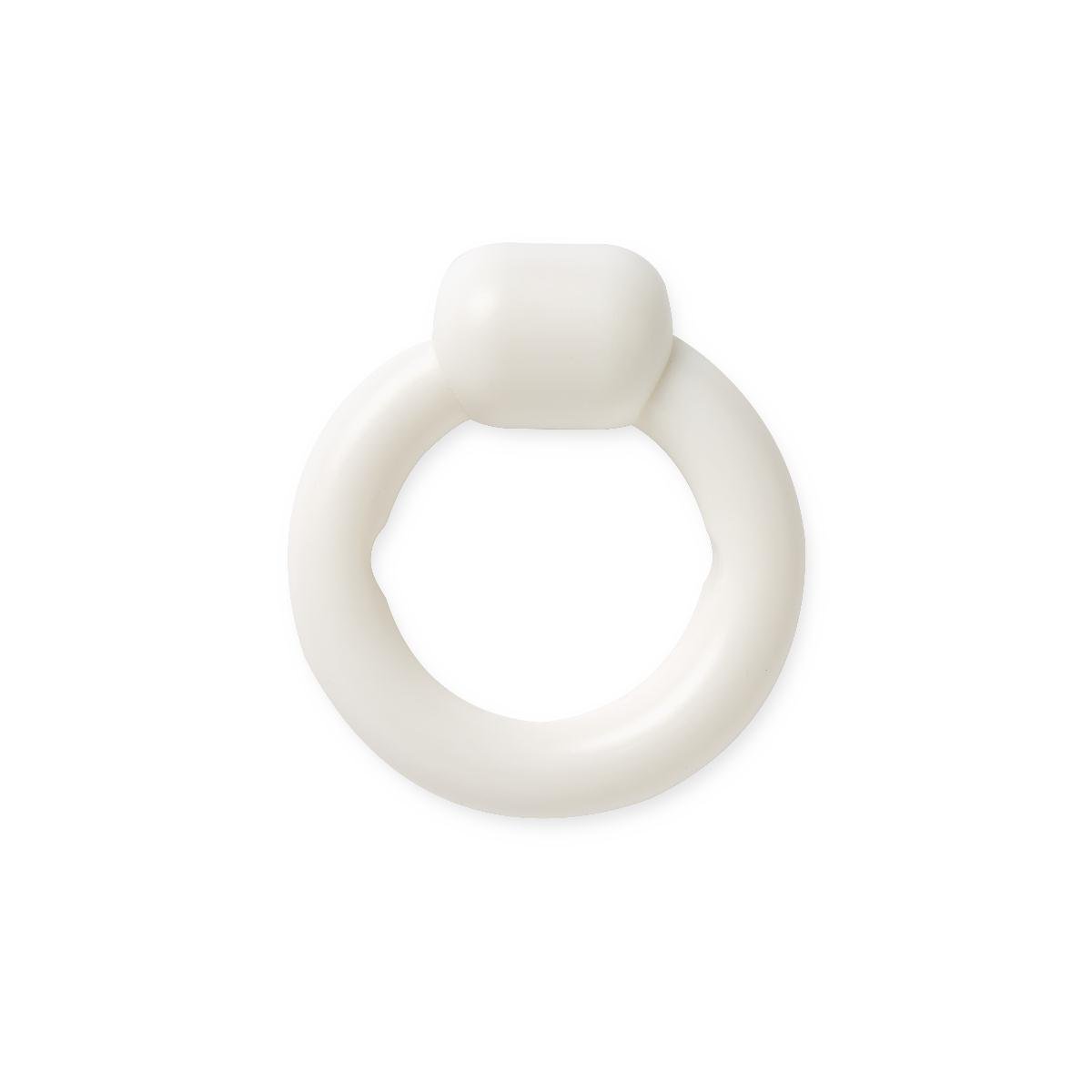
A pessary is a removable medical device placed in the vagina to help support pelvic organs and reduce symptoms of prolapse and/or urinary incontinence.
For many women, a pessary can:
Improve comfort and daily functioning
Reduce vaginal pressure or bulging symptoms
Improve bladder symptoms
Delay or avoid surgery
Provide support during exercise or physical activity
Different pessary types and sizes are available, and fittings are individualized.
Appointment Fees:
Please note that pelvic floor physiotherapy and pessary care are unfortunately not covered by Alberta Health and are provided privately.
However, many patients have coverage for pelvic floor physiotherapy services through their extended health benefit plans.
Current Fees
Initial assessment / pessary fitting (60 minutes): $230
Follow-up appointments (30 minutes): $120
Pessary device: $120/device
We recommend checking with your insurance provider regarding physiotherapy coverage details.
Interested In Booking?
If you would like to book an assessment with Jenna, please speak with your physician or have your clinic send us a referral note at
Fax# 780-458-9690
Referral must contain an active EMAIL address and CELL number.
Within 2 weeks from referral receipt you will receive a TEXT message with a reserved date/time appointment notification.
If the reserved appointment works with your schedule please CONFIRM the appointment by pressing 1.
If the reserved appointment does NOT work with your schedule, please press 2 and you will then be asked to email us at INFO@FULLWOMENSCLINIC.CA to cancel/reschedule. If you cancel your appointment and do not send us an email, your referral will be returned to your doctor and your chart will be closed.
Please fill our the questionnaire that will be emailed to you 2 days before the appointment. This helps us manage our time during the appointment.
If there is any difficulty with language or mobility, please bring a support person with you.
We look forward to supporting your health and are grateful to be part of your journey toward wellness.